

Here’s how to save money on groceries without turning your kitchen into a spreadsheet: plan your meals before you shop, compare unit prices instead of shelf prices, and shop your own pantry before you push a cart around the store. Do those three things and your bill drops on the very next trip.
Grocery prices have climbed for years, and most households now spend real money on food at home. According to the Bureau of Labor Statistics, the average U.S. household spent $6,224 on groceries in 2024. Where that money goes, and how much of it you actually need to spend, comes down to habits more than willpower.
Here’s the plan for the whole trip: what to do before you leave the house, what to do while you’re in the store, and what to do once you get home. Pair this with a real grocery budget and you’ll stop wondering where your paycheck went.
Quick Answer: How To Save Money on Groceries
Short on time? Handle these five things first. They cover most of the savings without any extra apps, coupons, or spreadsheets.
- Set a real grocery budget based on your actual income, not a guess.
- Plan your meals and make a list before you shop, then stick to it.
- Shop your pantry and fridge first. Use what you already bought before you buy more.
- Compare unit prices, not shelf prices, and buy store brands where the ingredients match.
- Watch for deals on staples you use often, and avoid impulse buys near the checkout line.
- Cut your trips to once or twice a month if you can. Fewer trips means fewer impulse buys and more saving.
Each section below breaks one of those down, plus a few habits that make the biggest difference once you’re home.
Plan Before You Shop
Planning is the least exciting part of learning how to save money on groceries, and it’s also the part that saves the most. Everything else on this list works better once you’ve done this first.
Set a Grocery Budget
Look at your income and your other expenses, then decide what you can actually afford to spend on food this month. Name a real number, like $500, and it beats a vague goal like “spend less.” Divide that number by however many times you shop, and you’ve got a per-trip ceiling.
Decide What Matters to You
Maybe you want mostly organic produce. Maybe you’re feeding three kids and protein is non-negotiable. Name your one or two priorities so you know where to spend and where to cut. Everything that isn’t a priority is where you look for savings first.
Build a Meal Plan Around What’s Already Cooking
You don’t need a new plan every week. Pick a rotation of meals you already know how to make, built around whatever’s already in your fridge and pantry, and repeat it. A plan doesn’t have to be rigid. It just has to tell you what to buy.
Make a List, Then Follow It
Once you know what you’re cooking, write down exactly what you need. Your list keeps you out of the aisles you don’t need and out of the checkout-line impulse buys that add up fast. Simple as that.
Cut Costs Before You Get to the Store
A little prep before you leave the house saves real money, and none of it takes long. Turn it into a habit and you won’t think about it again.
Shop Your Pantry and Fridge First
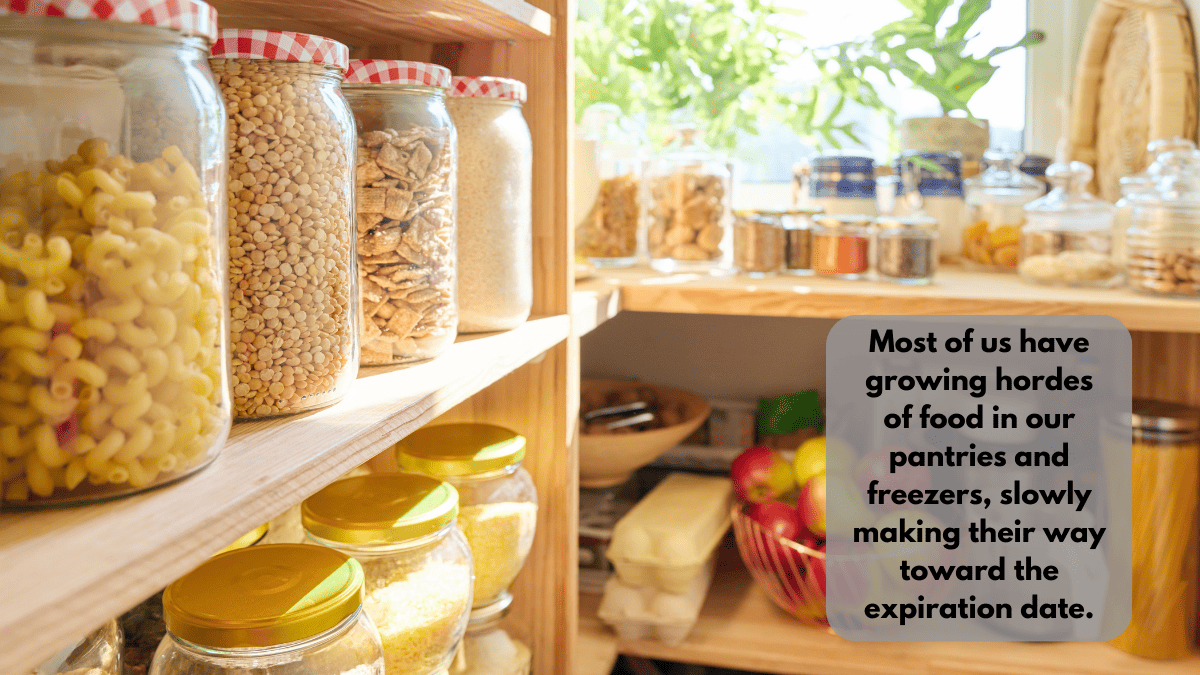
Check what you already own before you shop again. Most kitchens have a small stockpile of forgotten cans, frozen bags, and half-used jars working toward the trash. Cross off anything on your list you can substitute with what’s already there.
Choose Produce Over Packaged Snacks
Swap the bag of chips for fruit or vegetables where you can. More nutrition for the money. Fresh produce doesn’t always look that way at checkout, but the math usually works out in its favor. According to the Federal Reserve Bank of St. Louis, the average price for a 16-ounce bag of potato chips was $6.68 in October 2023, while a pound of bananas cost just 63 cents at the same time.
Let Coupons Follow Your List, Not the Other Way Around
Coupons work when you only clip ones for things you were already going to buy. Let the coupon follow your list, not the reverse. Beyond the Sunday paper, most grocery chains now run their own app with digital coupons you can clip in seconds and load straight to your loyalty card.
Check the Weekly Sales Flyer
Spend ten minutes with this week’s flyer before you shop, and look for deals on the staples you use every week. Match those deals against your meal plan and plan your list around what’s marked down. Pair a sale with a store coupon and you’ve stacked two discounts on one item.
Consider a Chest Freezer
If you’ve got the savings and the space, a chest freezer pays for itself over time. Buy discounted meat, chicken, and vegetables when they go on sale, then freeze what you won’t use this week. Milk freezes too. Freeze it right after you buy it, thaw it in cold water the night before, and it’s good to go by dinner.
Get the Store Loyalty Card
Most grocery chains offer a free loyalty card, and cardholders get prices non-members don’t. Costs nothing. Takes two minutes to sign up.
Save at the Register
Once you’re actually shopping, a few habits keep your cart in line with your budget.
Try a Discount Grocery Store
Stores like Aldi and Save A Lot often run 15 to 25 percent cheaper than a full-price chain for the same basics. Real savings, no coupons needed. You trade a smaller selection and more store brands for that discount, which for a lot of households is an easy trade to make.
Choose Store Brands
Store brands sit right next to the name brand on the same shelf, often at a noticeably lower price. Read the ingredient label before you decide. Most store-brand products, from paper towels to canned vegetables, typically use the same ingredients as the name-brand version, just without the marketing budget. Same ingredients, lower price.
Skip the Empty Calories
Candy, soda, and heavily processed snacks cost real money and deliver little nutrition. Watch the checkout line especially. That’s where stores place the most tempting impulse buys, right at eye level while you wait.
Skip Pre-Cut Produce
Pre-cut fruits and vegetables are more expensive per pound than the whole version, sometimes by a wide margin. Buy whole produce and cut it yourself at home. Whatever time you save isn’t usually worth what you pay for it.
Compare Unit Prices, Not Shelf Prices
Every shelf tag lists a unit price, usually in small print near the sticker price. That’s the number that actually tells you which size is cheaper. Not the price on the front. A bigger package with a lower unit price wins, even if the total on the tag looks higher.
Stock Up in Bulk the Smart Way
Rice, beans, pasta, flour, and frozen vegetables are usually cheaper per unit in bulk. Only buy what you can store and use before it spoils. If you’re cooking for one or two people, a warehouse club membership might not pay for itself. Splitting a bulk order with a roommate or neighbor often does.
Pay With a Rewards Card, If You Can Pay It Off
A card that earns cash back or points on grocery purchases is free money, as long as you pay the full balance every month. Simple rule. Carry a balance and the interest wipes out the reward fast. If you can’t pay it off in full, use a debit card instead.
Make Fewer Trips
Cutting your grocery runs to twice a month instead of weekly can save $50 to $75 a month between the extra gas, the extra time, and the extra impulse buys each trip invites. Real money back in your pocket. Fewer trips also means less food waste, since you’re shopping around a plan instead of picking things up as you think of them.
Leave the Kids at Home When You Can
Kids ask for things, which is normal, but it also nudges your cart off budget. Leave them home when you have the option, and you’ll move faster and stick to the list more easily.
Lower Your Costs Once You’re Home
Your savings don’t stop when you unload the bags. Plenty of habits after the store add up too.
Use a Cash-Back App
Apps like Fetch and Ibotta pay you cash for groceries you were buying anyway. Snap a photo of your receipt after checkout and earn points you can redeem for gift cards. Free money, basically, and the cash adds up faster than you’d think through a full year. The whole thing takes a couple of minutes and turns a normal trip into a small rebate.
Eat Your Leftovers
According to the USDA, the average American family of four loses about $1,500 a year to food that never gets eaten. Eat your leftovers for lunch the next day, or fold them into another meal. Every dollar of wasted food is a dollar you already spent for nothing.
Review Your Week Before You Plan the Next One
By the end of the week, ask a few quick questions before your next trip. How much food went to waste? Did you buy anything on impulse instead of avoiding it? Did the meal plan actually get cooked? Those answers help you fix what’s not working, whether that’s a simpler plan, a shorter list, or one more freezer meal in the rotation. Weekly review like this will likely trim your grocery bill further over time.
How Much Should You Spend on Groceries
There’s no single right number, since it depends on your household size, where you live, and what you eat. What you can use is a real baseline. Bureau of Labor Statistics data puts average annual household spending on food at home at $6,224 in 2024, or roughly $120 a week. Treat that as a gut check, not a rule. Spending $200 a month as a single person and spending $900 a month as a family of five can both be on track.
Building your grocery number into your existing budget works better than tracking it in isolation. Groceries fall under needs if you’re following a percentage-based plan like the 50/30/20 rule, right alongside housing and utilities. Track that number for a month, then adjust once you see where the real gap is.
| Household | BLS average food-at-home spending (2024, annual) |
|---|---|
| All households (average) | $6,224 |
| Two-person households | $6,088 |
Source: U.S. Bureau of Labor Statistics, Consumer Expenditures 2024 news release. Larger households spend more in total but often less per person, so use this as a starting point, not a target.
The Bottom Line
Rising prices don’t have to blow your budget. Remember just one thing about how to save money on groceries: plan before you shop, compare real prices instead of shelf prices, and use what you already own before you buy more. Stack a few of the habits above on top of that, and the difference shows up on your very next receipt.
For more ways to trim your budget without cutting the things you actually want, check out these 22 unique ways to save money, learn to tell the difference between a need and a want, or read our full guide to saving money. And if groceries are just one line in a budget you haven’t built yet, start with our complete beginner’s guide to budgeting.