
Do you need a business bank account for your side hustle? Yes, as soon as money starts moving through it, and you do not need to wait until you form an LLC or hit some income threshold. A dedicated account keeps your side income separate from your grocery budget, makes tax time faster, and protects you later if your hustle grows into something bigger. If you are still figuring out how to start a side hustle with no money, open the account in your first week, before the first payment lands.
Why Separate Your Side Hustle Money From Day One
A separate account turns a shoebox of receipts into a real record. The IRS’s own Publication 583, Starting a Business and Keeping Records, tells new business owners to open a business checking account and keep it separate from personal banking, because the business checkbook becomes your basic source for recording income and expenses. When every side hustle dollar runs through one account, you can see your real profit at a glance instead of digging through months of mixed personal and business charges in April.
Keeping your side hustle finances separate from your personal finances also makes you look more professional. It matters if you ever want a business loan, a merchant account, or a partner who checks your financial records. Mixing hustle money with rent and grocery money makes every one of those conversations harder.
What Counts as a Business Bank Account
A business bank account is any checking or savings account opened in your business’s name instead of your personal name. Most side hustlers start with just a checking account and the debit card that comes with it, so every business expense has its own card instead of getting buried on your personal statement. Add a business savings account later to set aside money for taxes. You do not need a fancy setup. You need one account that only your hustle touches.
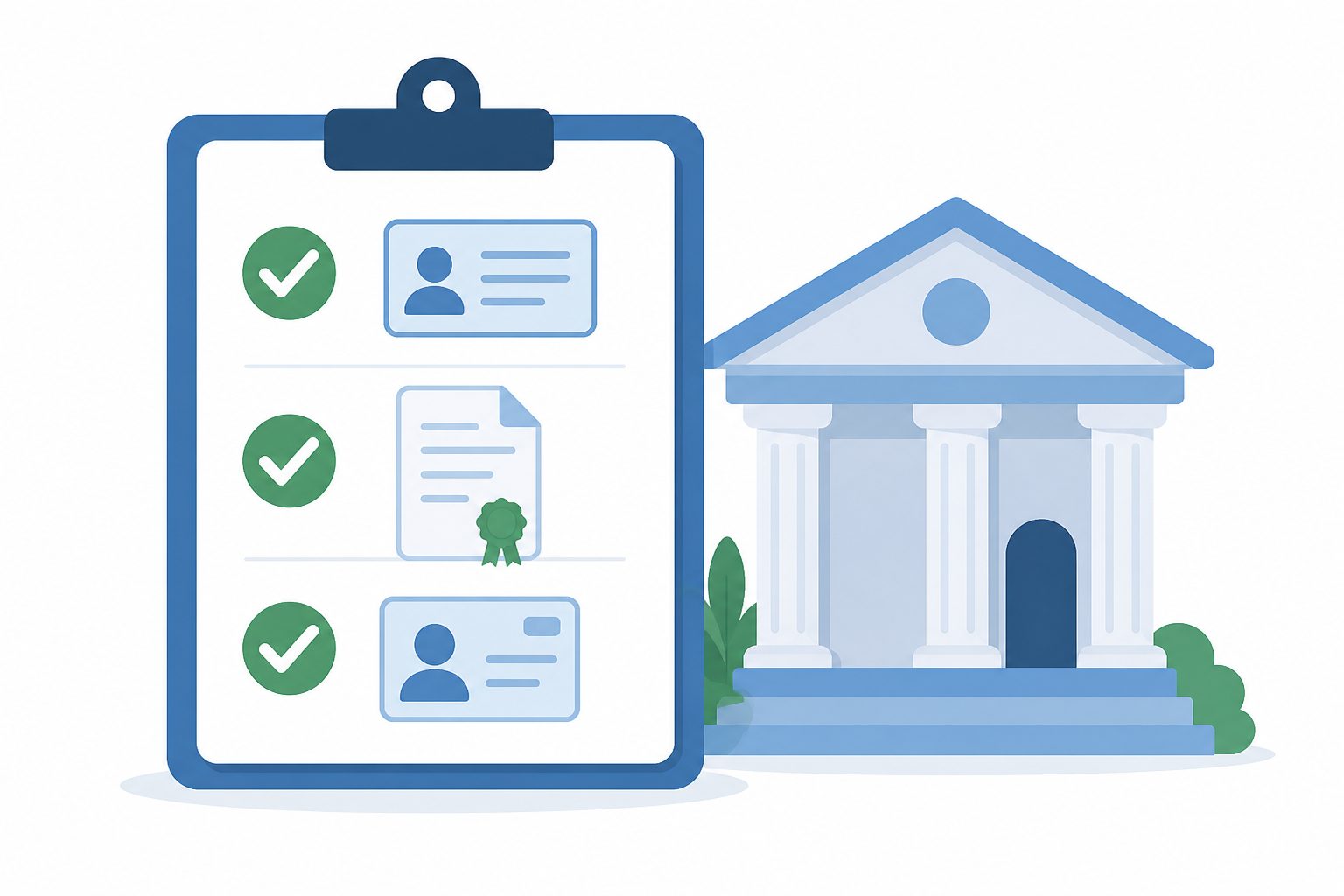
Per the U.S. Small Business Administration, you’ll typically need either your Employer Identification Number (EIN) or your Social Security number if you’re a sole proprietor, plus a photo ID and any formation documents (like an LLC filing or a DBA) if you have them. No LLC required to open the account itself.
If you are operating under a name other than your own, most states require a DBA (“doing business as”) filing before a bank will open the account in that name. It is a separate step from forming an LLC, usually a short form and a small fee at your county clerk or secretary of state, and it is what lets your side hustle have its own name on checks and invoices while you are still a sole proprietor.
Once the account is open, connect it to accounting software or even a simple spreadsheet, so every deposit and debit card swipe already sits in the right column when you total your income and expenses each quarter. That habit turns tracking business income from a chore into something that happens automatically, and it is what separates a side hustle that feels like a small business from one that just feels like a mess of receipts.
Do You Need an LLC Before You Open One?
No. A sole proprietor can open a business bank account using their own name (or a DBA, “doing business as,” name) and Social Security number. You don’t have to form an LLC first. If you’re weighing that decision, LLC vs sole proprietor walks through when the liability protection is worth the paperwork.
That said, an EIN is free and takes minutes through the IRS’s own online application, and using it instead of your Social Security number on business paperwork keeps one more piece of your personal identity off invoices and bank forms. The IRS doesn’t require a sole proprietor without employees to have an EIN, but plenty of side hustlers get one anyway just for that separation.
How FDIC Insurance Works Differently for a Sole Proprietor
Here’s a detail almost nobody mentions. If you’re a sole proprietor, the FDIC insures your business deposits as part of your personal “single account” ownership category, not as a separate bucket. Your business checking and your personal checking at the same bank get added together. Combined, they are insured up to $250,000, not $250,000 each.
It’s a different rule for an LLC or a corporation. Deposits owned by an LLC or corporation at a bank are insured up to $250,000 separately from the owner’s personal accounts. Most side hustlers never come close to either limit, but it’s worth knowing if your hustle starts holding real cash reserves, and it’s one more reason an LLC changes your financial picture, not just your legal one.
The Real Risk of Mixing Your Money
If you’ve already formed an LLC, mixing personal and business funds is the single most common reason courts “pierce the corporate veil,” the legal term for stripping away your liability protection and holding you personally responsible for business debts. Legal reference sites like Nolo’s legal encyclopedia point to commingled funds as the top red flag courts look for. Treat the LLC like a separate entity with its own bank account, and never pay a personal bill straight from the business account.
Even as a sole proprietor with no liability shield to lose, mixing accounts still costs you time. You’ll spend hours each quarter untangling which withdrawal was a client refund and which was your coffee habit, right when you’re trying to set aside money for quarterly estimated taxes. This isn’t legal advice for your specific situation. Talk to a business attorney if your hustle carries real liability risk.
How to Open a Business Bank Account in Under an Hour
Most banks and credit unions can open a business checking account the same day, often online, and online banking has made the whole process faster than it was even a few years ago. Here’s the short version, based on the SBA’s own steps:
- Get your ID number. Use your Social Security number as a sole proprietor, or apply for a free EIN at irs.gov if you want the separation.
- Pick a bank. Compare monthly fees, minimum balance requirements, and free transaction limits. Many online banks waive fees entirely for a simple side hustle account.
- Gather your paperwork. A photo ID, your EIN letter or Social Security number, and your LLC or DBA filing if you have one.
- Open checking first. Add a linked business savings account once you’re ready to set cash aside for taxes.
- Move every hustle dollar through it. Deposit all client payments here, and pay every business expense from here, starting with your very next transaction.
Skip step five and the rest of the setup doesn’t matter much. The account only protects your records if every dollar actually flows through it.
Frequently Asked Questions
So, Do You Need a Business Bank Account for Your Side Hustle?
The short answer: yes. Open one before your first payment clears, not after you have already mixed a few months of transactions. It takes less than an hour, it is free at most banks, and it turns tax season from a scavenger hunt into a five-minute download. Once you are set up, check whether your side income triggers deductions you can claim as a 1099 contractor, and browse more side hustle guides on Personal Profitability for the next step in building your income.