
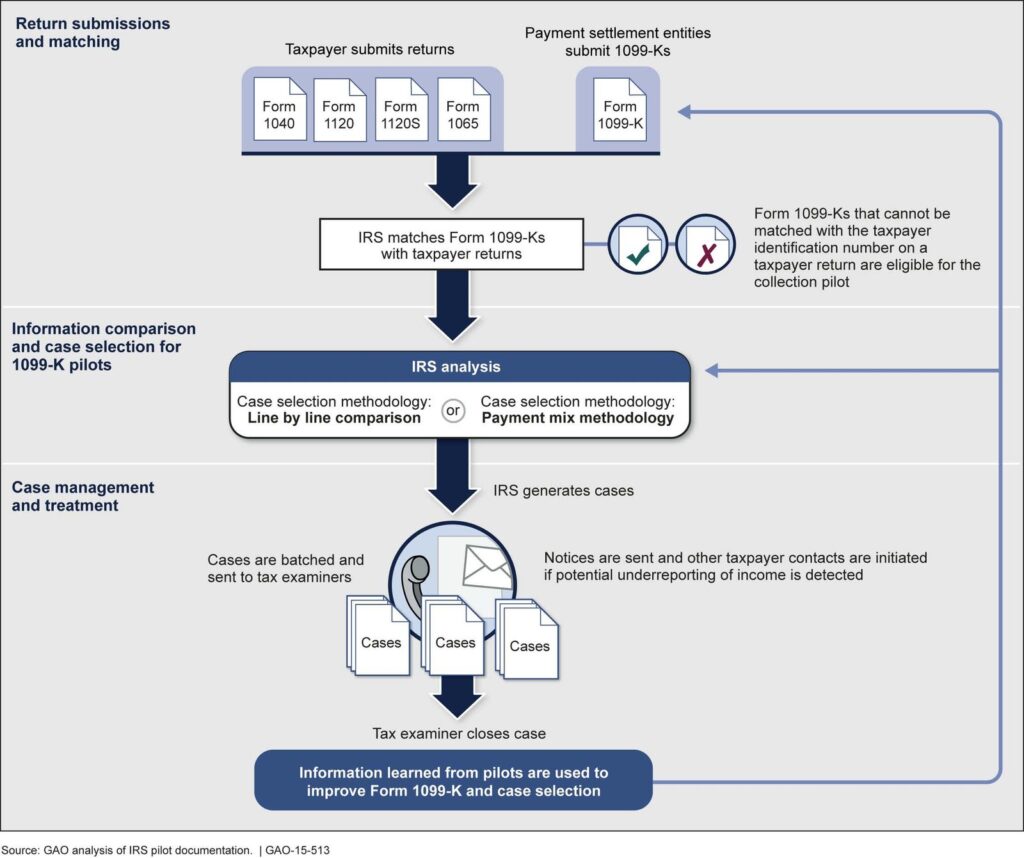
Do you have to pay taxes on Venmo and Cash App? Yes, if the money is payment for goods or services. That’s true even if you never get a tax form for it. The confusing part is the 1099-K, the form these payment apps send once you cross a reporting threshold. That threshold just changed again after two years of back-and-forth. If you’re running a side hustle and getting paid through an app, here’s the current rule, straight from the IRS.
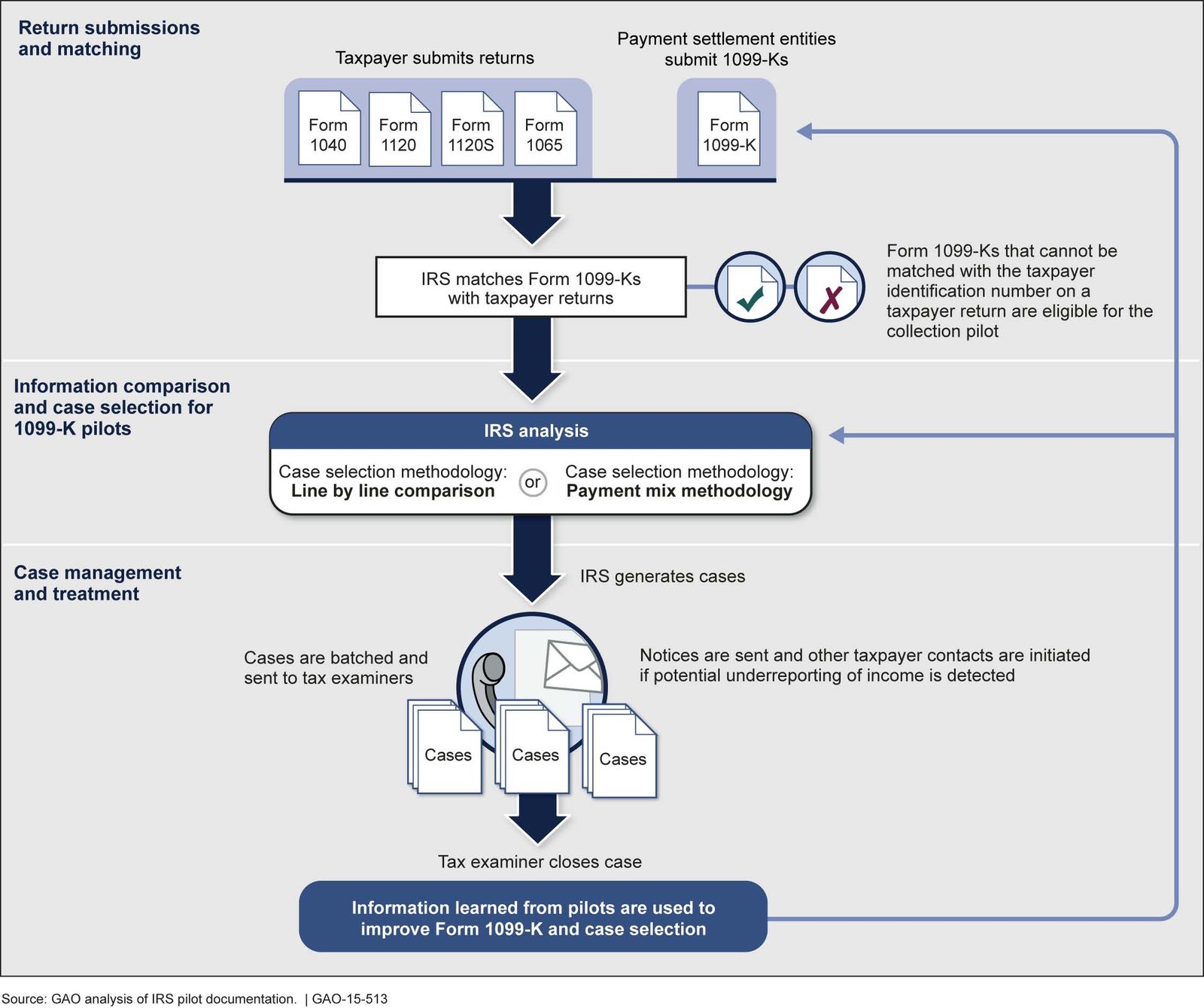
The 2026 1099-K Threshold: $20,000 and 200 Transactions
The 1099-K threshold for 2025 and 2026 is $20,000 in gross payments and more than 200 transactions in a year, per app. That’s not a new rule. It’s the original threshold that applied before 2022. Congress reinstated it through the One, Big, Beautiful Bill Act (OBBBA), signed into law on July 4, 2025. The IRS confirms the reset applies retroactively, reaching back to cover 2022 and 2023 reporting too.
That reset undid a genuinely confusing few years. The American Rescue Plan Act of 2021 set a new $600 threshold with no transaction minimum. It was meant to start with 2022 payments. The IRS delayed it every year it was supposed to kick in, then set a $5,000 transition threshold for 2024 forms as a stepping stone toward $600. OBBBA scrapped the whole phase-in before the lower numbers ever fully applied. The threshold is now locked back at $20,000 and 200 transactions. If an article online says the threshold is $600 or $2,500, it’s describing a rule that no longer exists.
These are federal tax rules, not state ones. They apply the same way to a full-time freelancer and to someone who occasionally sells things through Venmo, PayPal, or another payment platform. Taxpayers sometimes assume a small amount received through a payment app is automatically free of tax consequences. It isn’t. The IRS rules on what counts as taxable income haven’t changed. Only the tax rules for when a form shows up have.
| Period | 1099-K threshold | What happened |
|---|---|---|
| Before 2022 | $20,000 and 200+ transactions | The original rule |
| 2022 to 2023 (as planned) | $600, no transaction minimum | Set by the American Rescue Plan Act, but delayed by the IRS before it ever took effect |
| 2024 (transition relief) | $5,000, no transaction minimum | A temporary IRS phase-in step, since undone |
| 2025 to 2026 (current law) | $20,000 and 200+ transactions | Reinstated by the OBBBA, signed July 2025, applied retroactively |
Turn your skills into freelance income
Learn how I found clients, raised my rates and went full-time freelance in 2016. Get the free 2026 edition, tax basics included.
So, Do You Have to Pay Taxes on Venmo and Cash App Money?
The honest answer depends on what the payment was for. It has nothing to do with which app you used or whether a 1099-K ever showed up. A 1099-K reports payments. It doesn’t decide what’s taxable. The IRS says so plainly: “Just because a payment is reported on Form 1099-K doesn’t mean it’s taxable.”
So the form is just a paper trail. Whether you owe tax on that money got decided the moment you earned it, based on what it was for.
What Actually Counts as Taxable Income on These Apps
Money you receive for goods or services is taxable, full stop. It doesn’t matter if it’s $40 for mowing a neighbor’s lawn or $3,000 for a freelance design project booked through Cash App or PayPal. That includes selling items for a profit, getting paid for gig work, collecting tips through an app, or running any side business where customers pay you through payment platforms.
If that income adds up over the year, it belongs on your tax return as self-employment income. Report it on Schedule C, the same as cash or check payments. It’s worth understanding how self-employment tax works once you’re earning this way regularly. Payment-app income doesn’t get special treatment just because it moved through an app instead of a bank transfer.
What If You Don’t Get a 1099-K but Made Money Anyway?
You still need to report it and pay the tax. The IRS is direct about this one: “Even if you don’t get a Form 1099-K, if you received payments for goods, services or property, you must report your income.” Staying under $20,000 or 200 transactions only means the app isn’t required to tell the IRS about your payments. It doesn’t mean the income is tax-free, and it doesn’t mean the IRS can’t find out some other way.
Gifts, Rent Splits, and Reimbursements Aren’t Taxable
Money a friend Venmos you for dinner isn’t taxable income. Neither is a roommate paying their half of the electric bill, or a birthday gift from a parent. That’s true even if it lands on a 1099-K by mistake. The IRS is explicit here too: “Payments of gifts and reimbursements for shared costs are not payments for goods or services and therefore are not reportable on Form 1099-K.”
The catch is that Venmo and Cash App don’t always know the difference between a gift and a payment for work. Mark personal payments as “friends and family” or “gift” whenever the app gives you that option. That’s what keeps them off your 1099-K in the first place, instead of leaving you to sort it out at tax time.
A few practical habits keep a personal account from accidentally triggering a 1099-K. Use the “friends and family” or personal setting for anything that isn’t a business transaction. Keep a separate account or a business profile for client payments. Avoid mixing rent splits or reimbursements into the account you use for freelance income. That separation makes it obvious, to you and to the IRS if it ever asks, which transfers were real earnings and which weren’t.
Hobby or Business? How the IRS Splits Side Hustle Payment App Income
Getting paid regularly through an app for something you sell or do raises a real question for the IRS: is that a business or a hobby? The answer changes how you report it. A real business, one you run with a profit motive, keep records for, and treat like work, gets reported on Schedule C. That’s where you can also deduct your actual expenses.
Occasional activity with no real profit motive counts as a hobby instead. Hobby income still has to be reported, as Other Income on Schedule 1, but hobby expenses aren’t deductible at all. That’s a real trap for casual sellers who assume a side project that barely breaks even owes nothing. See our guide to tax deductions for 1099 contractors for what you can actually write off once the IRS considers it a business.
Does This Apply to PayPal and Zelle Too?
PayPal follows the same $20,000 and 200-transaction reporting threshold as Venmo and Cash App. It’s also a third-party settlement platform under the tax law that created the 1099-K. If business payments into your PayPal account cross that threshold in a tax year, expect the same form. It doesn’t matter if the money came from one client or two hundred separate transactions.
Zelle works differently, and the threshold doesn’t apply to it at all. Zelle moves money directly between bank accounts instead of holding it in an intermediary account. That means it isn’t classified as a payment settlement platform under the same rules. Zelle’s own FAQ confirms it: “Zelle does not report transactions made on the Zelle network to the IRS,” and it won’t issue a 1099-K “even if the total is more than $600.”
That doesn’t make Zelle income tax-free. If clients pay you for goods and services through Zelle, that’s still taxable business income. Talk to a tax professional if you’re not sure how to report business transactions that will never generate a form of their own.
What to Do If You Get a 1099-K by Mistake
If a 1099-K shows money that wasn’t actually taxable, like a rent split or a gift, don’t just ignore it. The IRS already has a copy, and it will expect that amount to show up somewhere on your return. Ask the payment app for a corrected 1099-K first, showing the accurate amount. If a correction doesn’t come through in time to file, report the full 1099-K amount as Other Income on Schedule 1. Then subtract the non-taxable portion as an Other Adjustment. The two entries net to the correct number, instead of a form the IRS flags as unreported income.
Frequently Asked Questions
The Bottom Line on Venmo and Cash App Taxes
The 1099-K threshold for 2026 is $20,000 and 200 transactions. That number only controls when an app has to report your payments to the IRS. It has never controlled whether you owe tax on money you earned. Treat every dollar you’re paid for goods or services as taxable the moment you receive it. Keep a running record, the way you would for any self-employment income. Do that and you won’t get caught off guard by what shows up in your mailbox in January.
For more on the tax side of freelance and side-hustle income, see how quarterly estimated taxes work once you’re earning this way regularly. Browse the rest of our taxes coverage for what else the IRS expects from a side hustle.

Free guide
Turn your skills into freelance income
Learn how I found clients, raised my rates and went full-time freelance in 2016. Get the free 2026 edition, tax basics included.
- How to land your first paying client, with a checklist
- The rate-increase email I've sent clients, ready to copy
- 2026 tax basics: 1099s, quarterly due dates and the $400 rule
Bonus: The Side Income Starter Sheet, 20 ideas rated by cost and speed